Murao's blog
Notes from Kumamoto Japan
contact
X
Murao's blog
contact
X
contact
X
HOME
greetings
Articles by "greetings"
Japanese people do not bow so often. Instead, we do eshaku.
Bowing is one of the most typical Japanese behaviors. ( In this post, I do not mention bowings in s…
05/07/2025
Social Concepts
Otsukaresama and derivations so versatile but can be rude.
What do you think is the most frequently used greeting in Japan? In my opinion, it is otsukaresama…
02/20/2025
Japanese Language
Konbanwa is not used often. Maybe least frequent among greetings.
Konbanwa(こんばんは) is a Japanese greeting word used in the evening and at night. ...
02/16/2025
Japanese Language
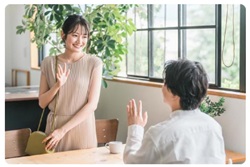
kon’nichiwa is not common among friends. Do you know a rule?
Kon'nichiwa (こんにちは) is a very well-known Japanese greeting. ...
02/06/2025
Japanese Language
( Too many ) Japanese phrases meaning good-bye casual to polite
While making this post, I was surprised at how many good-bye phrases I use. ...
01/22/2025
Japanese Language
“Nice to meet you” in Japanese
I think most useful and common Japanese phrase meaning "nice to meet you" is Hajimemashite. ...
11/19/2017
Japanese Language
“I’m home” in Japanese. What do you say in return?
When an English-speaking people say "I'm home," a Japanese people say "Tadaima." ...
11/12/2017
Japanese Language
“Good morning” in Japanese
Most common Japanese for "good morning" is "ohayou". ...
11/06/2017
Japanese Language